
Birth Filming as Ritual
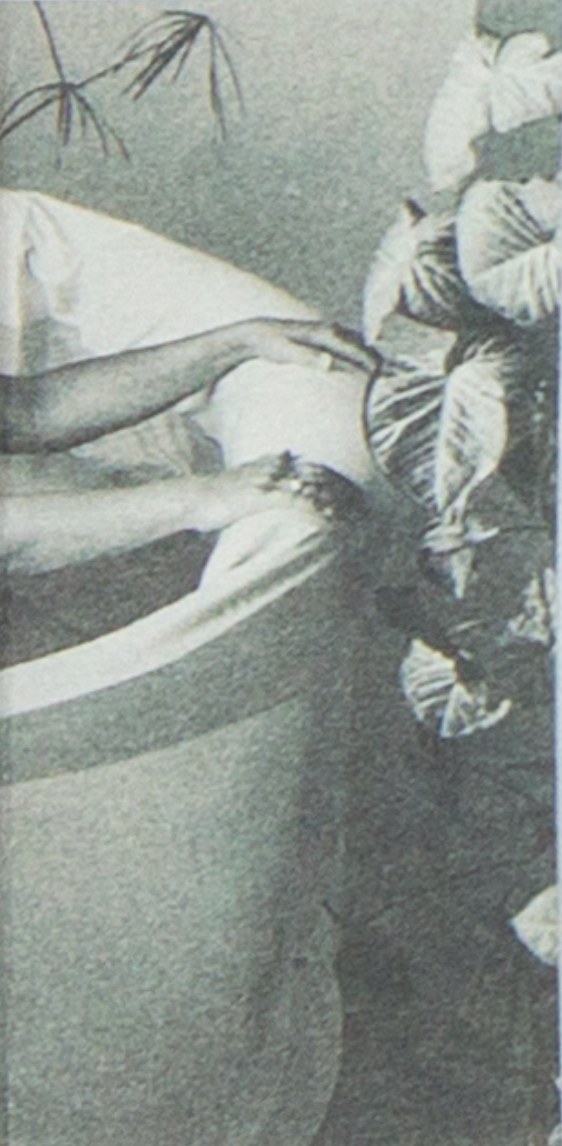
When approached with consent, care, and attentiveness, filming can become an empowering way of attending birth. The camera can participate quietly in the birth space, not demanding performance but listening alongside those present. In this sense, filming itself can become ritual practice: a way of honouring transformation, holding memory, and marking the passage from one mode of being into another.
Giving birth is a rite of passage. It is one of the most significant and life-altering moments of transformation a person can experience — whether we give birth vaginally or by caesarean, in a forest or in a highly medicalised hospital setting.
In Ten Moons: The Inner Journey of Pregnancy, Jane Hardwicke Collings writes that we have the birth experience we need in order to grow into the next phase of our lives. While I do not fully agree with the determinism of this perspective — nor with some of the essentialist ideas about femininity in her work — I do resonate deeply with the understanding of childbirth as a threshold moment: an experience that can so profoundly reshape us and generate energy for what comes next.
Midwife, scholar, and author Rachel Reed has also written extensively about childbirth as a rite of passage. Drawing partly on Hardwicke Collings’ work, Reed describes labour as a process of separation from ordinary life, inward focus, and eventual transition into a new reality. She also writes about the role of the birth attendant within this process: practicing quiet presence, “listening to” the birth process, and observing as unobtrusively as possible.
Cameras enter this relational field too. In fact, they are powerful participants in it.
The current landscape of visual birth culture is vast and complex. Across history, birth has been represented through paintings, sculptures, religious imagery, photography, documentary film, and now social media videos. Visual representations of birth can educate, politicise, sensationalise, medicalise, eroticise, empower, or objectify. The camera never simply observes; it records, frames, preserves, and can reinforce or disrupt deeply embedded structures of meaning.
For many people, this can feel exposing. Birth already involves a profound surrender of control, and the thought of being filmed while labouring can bring up fears of appearing vulnerable, animalistic, overwhelmed, or “out of control.” These fears do not emerge in isolation; they are shaped by broader cultural ideas about bodies, gender, dignity, and acceptable forms of expression.
And yet filming birth can also become something else entirely.
Embodied approaches to birth filmmaking — practices grounded in trust, mindfulness, relationality, and sensitivity to the rhythms of labour — have the potential to create different reproductive narratives from the dominant ones we are often offered. Rather than treating birth as spectacle or medical event alone, they can centre birth as lived experience that is powerful, messy, intimate, and deeply human.
Most importantly, experimental birth filmmaking that is attuned to the birth giver opens possibilities for representation beyond the visible (considering the beautiful aesthetics of opacity that highlight the privacy of this moment). The invisible can be more luminous than the visible.
And how does this feel to the person giving birth? I think it is a dance and changes with each phase of labour and birth. Perhaps it feels empowering to be witnessed, perhaps it’s intrusive, perhaps labour carries us so deeply into trance that we don’t notice the camera anymore. And then we might look back later and say: “This is the most powerful thing I have ever done; when I am exhausted or down about myself (as a parent), I look at my birth video.”
